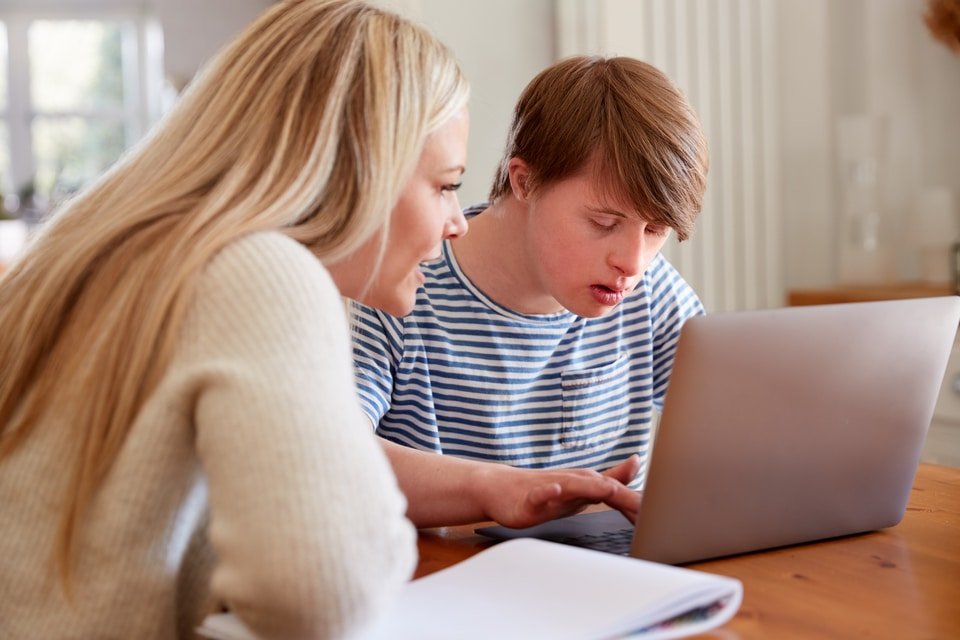
Communication is not just about what people say.
It’s about how environments listen.
In learning disability and autism support, communication is often discussed in relation to behaviour, particularly when something is not working.
But communication isn’t only visible when someone is upset or overwhelmed.
It shows up in:
- How people express preferences
- How they say “yes”, “no”, or “not yet”
- How they ask for help
- How they connect with others
- How they show comfort, uncertainty, or enjoyment
In Capable Environments, communication is not a specialist add-on.
It is part of everyday life.
What Do We Mean by Communication in Capable Environments?
Communication in a Capable Environment means:
- People are supported to communicate in ways that work for them
- Staff adapt their communication, rather than expecting the person to adapt
- Understanding is prioritised over compliance
- Communication approaches are shared and consistent
Communication includes:
- Spoken language
- Gestures, facial expression, and body language
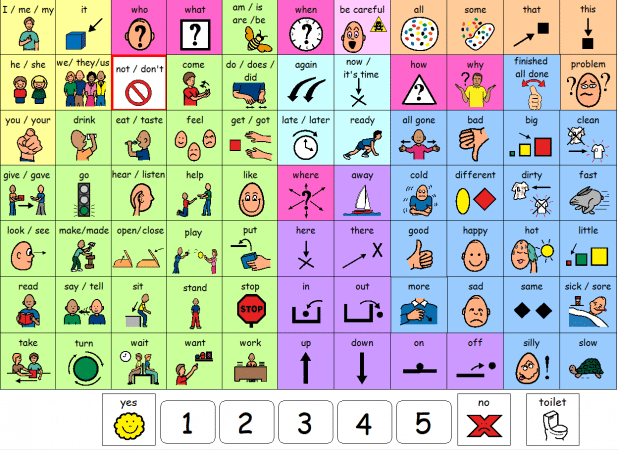
- Visual supports
- Objects of reference
- AAC and total communication approaches
Most importantly, it includes how staff notice, interpret, and respond.
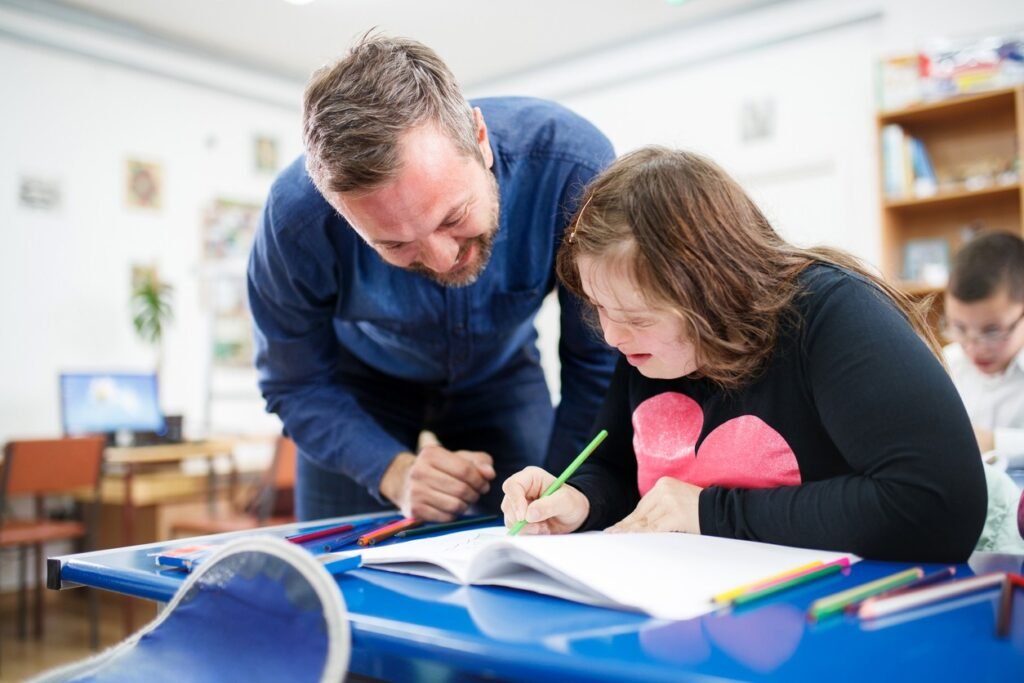
When Environments Don’t Support Communication
When communication support is inconsistent or unclear, people may experience:
- Frustration or uncertainty
- Reduced sense of control
- Increased effort to be understood
- Fewer opportunities to influence what happens
Staff may also experience:
- Guesswork and uncertainty
- Inconsistent responses
- Reactive decision-making
- A sense of “not knowing what the person is trying to tell us”
Often, this isn’t because people can’t communicate but because the environment isn’t set up to understand them.
A Capable Environment Asks Different Questions
Instead of:
“Why is this behaviour happening?”
Capable Environments ask:
- What might this be telling us about what’s working or not working?
- How does this person usually communicate comfort, discomfort, or need?
- How consistent are we in how we respond?
- Are we giving enough time to process?
- Are our words, tone, and actions aligned?
Communication is relational.
It happens between people, not in isolation.
Consistency Matters More Than Complexity
One of the most common challenges we see in services is inconsistency.
For example:
- Different staff using different words for the same thing
- Visual supports used sometimes, but not always
- One staff member understanding a person’s cues, while others don’t
- Expectations changing depending on who is on shift
In a Capable Environment:
- Communication approaches are shared, not individual
- Everyone understands how someone communicates best
- Support feels predictable and emotionally safe
Consistency reduces uncertainty; and uncertainty directly affects communication.
Communication, Choice, and Power
Communication is closely linked to choice.
*Who gets heard?
*Who gets to influence what happens next?
Capable Environments pay attention to:
1. Whether communication is only noticed when it becomes louder or more urgent
2. Whose communication is prioritised
3. Whether “no” is respected
4. Whether people can change their mind
Everyday communication (about food, activities, routines, relationships) is where autonomy is built.
A Practical Starting Point: Reflect on Communication in Your Environment
Before introducing new tools or approaches, it’s helpful to reflect on what’s already happening.
Ask:
- How does this person usually let us know what they need or prefer?
- How do we respond when we’re unsure?
- Are we making communication easier (or harder) through our environment?
Often, small changes in staff practice create meaningful shifts.
Free Resource: Communication in Capable Environments – Reflection & Consistency Tool
To support this, we’ve created a free, practical communication reflection tool that you can use with individuals or teams.
The resource helps you:
- Map how a person communicates across different situations
- Identify what supports understanding
- Highlight barriers to communication
- Agree consistent staff responses across the team
Join the Capable Environments Training Series – Communication
Our Capable Environments training series explores each domain in depth, linking theory to everyday practice.
Each session:
Provides 1 APD point per session, supporting your professional development alongside practical learning you can use straight away
Focuses on one Capable Environment domain
Includes practical tools and real-world examples