
“People don’t simply need company; they need connection.”
In our previous blogs, we’ve explored how physical health, the physical environment and communication provide the foundations of a capable environment. But even when these are in place, one essential ingredient remains: meaningful human connection.
As humans, we are social beings. Our interactions with others shape how we see ourselves, how safe we feel, and whether we experience a sense of belonging. Positive social interaction is not an optional extra; it is fundamental to our wellbeing and quality of life.
Yet in many services, social interaction is often confused with simply being around other people.
The two are not the same.
Being Around People Doesn’t Prevent Loneliness
Imagine spending every day surrounded by people, but rarely having a genuine conversation.
Staff come and go.
Tasks are completed.
Questions are asked.
Support is provided.
But very few interactions leave you feeling known, valued or understood.
Sadly, this can become the reality for many people who receive support.
Loneliness isn’t about being alone.
It’s about lacking meaningful connection.
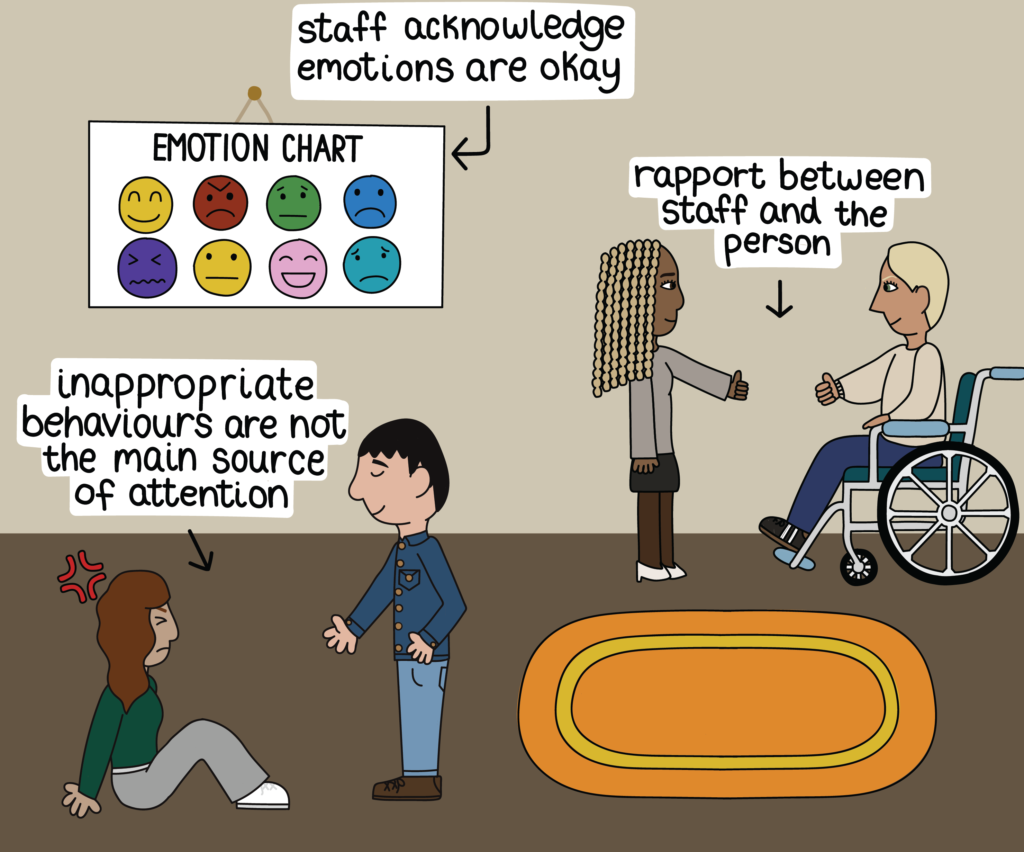
A capable environment recognises that every interaction matters. It encourages staff to move beyond completing tasks and instead build genuine relationships through ordinary moments—sharing a laugh, showing curiosity, celebrating achievements, or simply taking time to listen.
Every Interaction Shapes Experience
The quality of our interactions has a profound impact on wellbeing.
Think about how you feel when someone smiles, remembers something important to you, genuinely listens, or celebrates your success.
Now think about how it feels when interactions are rushed, transactional or focused solely on getting through a task list.
For the people we support, these everyday interactions often make the difference between simply receiving care and feeling that they truly belong.
Positive social interaction is built in hundreds of small moments each day.
Quality Matters More Than Quantity
It can be tempting to measure social interaction by counting activities or recording how often someone has been out in the community.
But quality is far more important than quantity.
One meaningful conversation with someone who genuinely knows you may contribute more to your wellbeing than spending hours in a crowded room where nobody really engages with you.
Similarly, attending a busy social event does not automatically mean someone has experienced positive social interaction.
The question isn’t:
“Were people present?”
It’s:
“Did people feel connected?”
Creating Opportunities for Genuine Connection
Capable environments intentionally create opportunities for positive interaction throughout the day.
This might include:
· Staff taking time to have genuine conversations rather than only giving instructions.
· Supporting shared activities based on people’s interests.
· Encouraging friendships between people who use the service.
· Helping people remain connected with family and people who matter to them.
· Celebrating achievements and important life events.
· Supporting people to participate in their local communities.
· Creating welcoming communal spaces where interaction happens naturally.
· Ensuring staff have the time and confidence to build relationships, not just complete tasks.
The aim is not simply to increase interaction, it is to increase meaningful interaction.
Positive Interactions Support Positive Behaviour
Within Positive Behaviour Support, we know that strong, trusting relationships provide an important foundation for proactive support.
People are more likely to engage, learn new skills and seek support from those they trust.
Positive social interactions can reduce anxiety, increase feelings of safety and create opportunities for reinforcement that are naturally embedded within everyday life.
This isn’t about being constantly cheerful or entertaining.
It’s about being present, respectful and genuinely interested in the person.
Questions for Reflection
Take a moment to think about your own service.
Ask yourself:
· How many interactions today were focused on completing tasks rather than connecting with people?
· Would the people you support describe the staff around them as people who genuinely know them?
· Are there opportunities for spontaneous conversations and shared enjoyment?
· Does the environment encourage interaction or unintentionally discourage it?
· If you observed your service for an hour, how many moments of genuine connection would you see?
These questions can tell us a great deal about the culture we have created.
Creating More Capable Environments
Positive social interaction is one of the 12 domains of the Capable Environments Framework because relationships and connection are central to quality of life.
When people experience warm, respectful and meaningful interactions, they are more likely to feel valued, confident and included.
Creating these environments doesn’t require expensive resources or complicated programmes.
It starts with recognising that every interaction matters.
Want to Strengthen Capable Environments in Your Service?
Creating environments where people experience genuine connection requires more than good intentions, it requires thoughtful leadership, skilled staff and systems that support positive practice every day.
That’s why we developed the Capable Environments Practical Pathway.
Over 12 months, services work through each domain of the Capable Environments Framework, supported by practical assessment tools, e-learning, facilitated workshops and action planning. The pathway helps teams identify strengths, address barriers and embed meaningful improvements that enhance quality of life.
If you’d like to find out how the Capable Environments Practical Pathway could support your organisation, we’d love to hear from you. hello@supportingpositively.com
Capable Environments Reflection
If you observed your service for one hour today, how many moments would you see where people weren’t simply receiving support—but were experiencing genuine human connection?