When we think about quality support, we often focus on relationships, communication, meaningful activities, and skilled staff. Yet one of the most important foundations of a capable environment is often overlooked: physical health.
Physical health is not simply about attending appointments or administering medication correctly. It is about creating an environment where people are supported to achieve and maintain the best possible health, wellbeing and quality of life.
For people with learning disabilities, autism, and other support needs, physical health inequalities remain significant. Many people experience poorer health outcomes, barriers to accessing healthcare, undiagnosed health conditions, and preventable illnesses. As support providers, we have an important role in reducing these inequalities.

Why Physical Health Matters
Physical health affects every aspect of a person’s life.
Pain, discomfort, poor sleep, medication side effects, sensory difficulties, mobility challenges, digestive issues, and untreated health conditions can all influence how a person feels, communicates and engages with the world around them.
Sometimes what appears to be “challenging behaviour” may actually be a person’s way of communicating discomfort, illness or unmet health needs.
When physical health is overlooked, people may experience unnecessary distress, reduced opportunities, and poorer quality of life.
When physical health is prioritised, people are more likely to:
- Participate in meaningful activities
- Experience greater wellbeing
- Maintain important relationships
- Develop independence
- Enjoy improved quality of life
What Does Good Practice Look Like?
Within a capable environment, physical health is everyone’s responsibility.
This means services should consider:
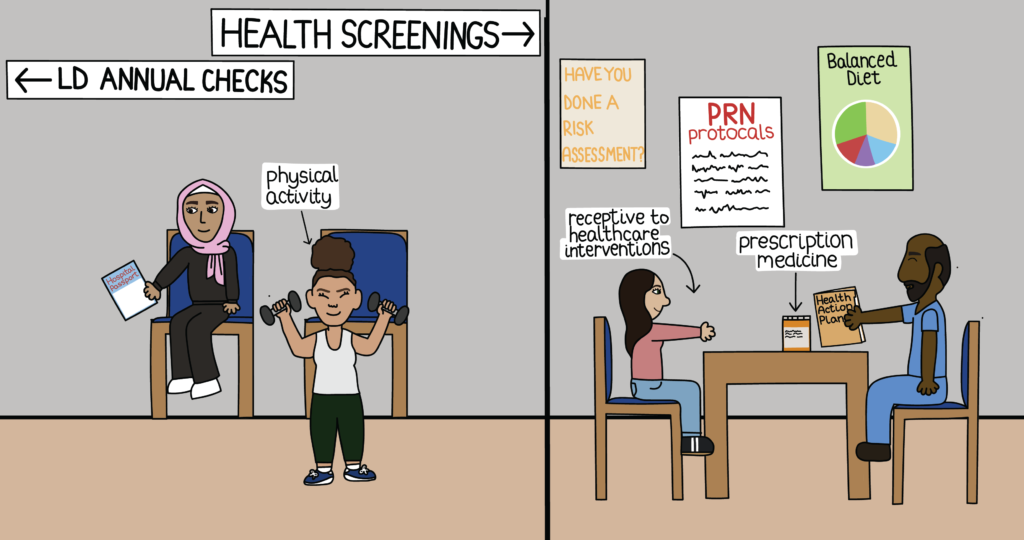
✓ Access to routine healthcare and annual health checks
✓ Support to attend appointments and understand health information
✓ Monitoring of known health conditions
✓ Healthy eating and hydration
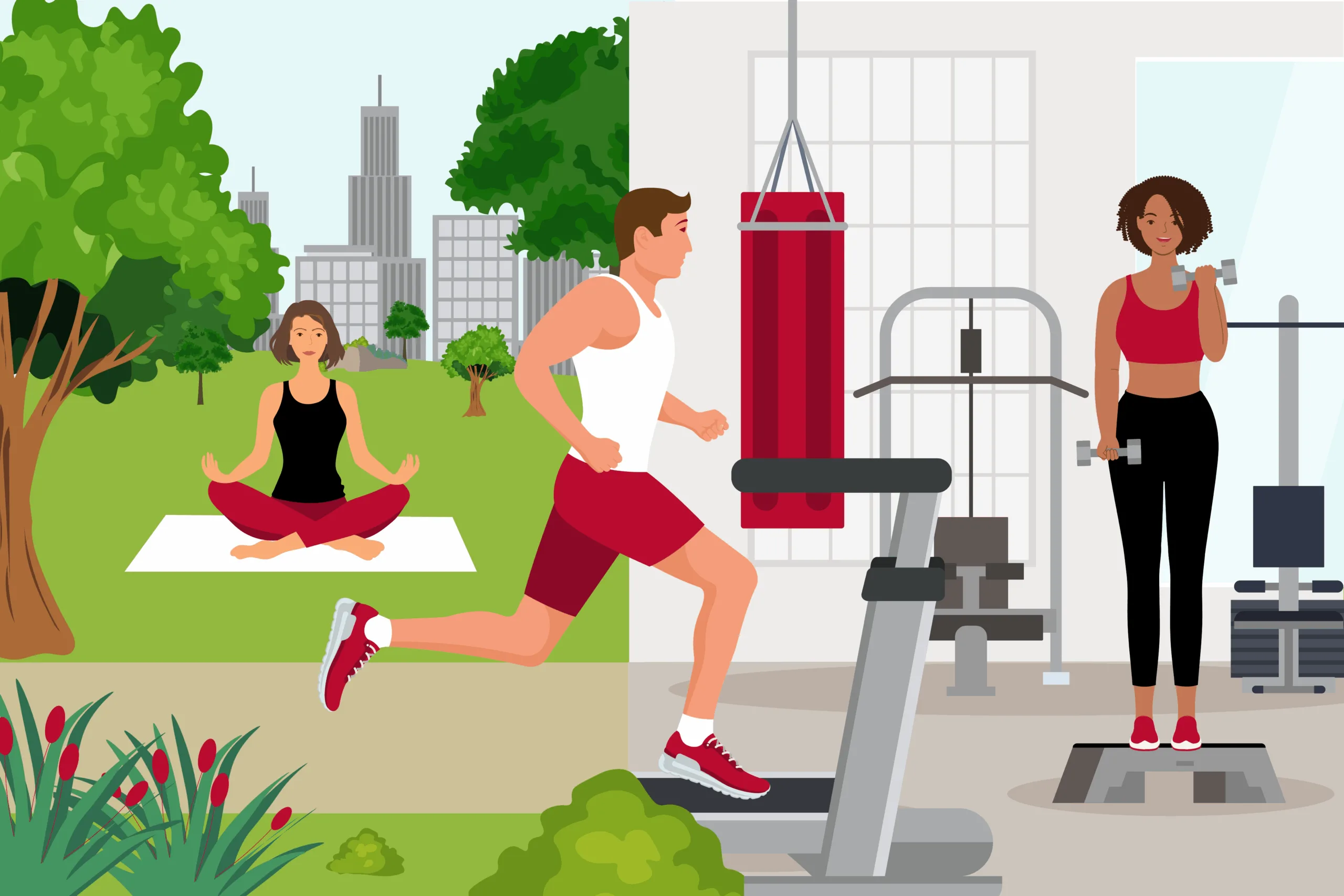
✓ Opportunities for physical activity
✓ Good sleep hygiene
✓ Effective medication management
✓ Recognition of pain, discomfort and illness
✓ Collaboration with healthcare professionals
✓ Health promotion that is meaningful and person-centred
Most importantly, support should be tailored to the individual rather than taking a one-size-fits-all approach.

Looking Beyond Compliance
It is easy to view physical health through the lens of compliance and documentation.
However, capable environments encourage us to ask a different question:
“How do we actively support people to experience the best possible health and wellbeing?”
The answer often lies in the small everyday interactions that take place within services. Encouraging movement, supporting healthy choices, recognising signs of illness, helping people understand their health, and ensuring concerns are acted upon promptly can all make a significant difference.
Reflective Questions
As you consider physical health within your own service, ask yourself:
- How confident are staff in recognising signs of pain or ill health?
- How do we support people to understand and make decisions about their health?
- Are annual health checks and screening programmes consistently accessed?
- Do we proactively promote healthy lifestyles?
- How do we know our physical health support is making a difference?

Physical Health and the Capable Environments Framework
Physical Health is the first domain within the Capable Environments Framework because it underpins so many other areas of life.
When people experience good physical health, they are better placed to engage in meaningful activities, develop relationships, communicate effectively, exercise choice and control, and enjoy a good quality of life.
Creating capable environments starts with ensuring that physical health is not an afterthought, but a core part of everyday support.
What is one thing your service does well to support physical health, and what is one area you would like to strengthen?
Want Support to Develop More Capable Environments?
At Supporting Positively, we know that creating and sustaining capable environments requires more than a one-off training course. It takes reflection, action planning, leadership and ongoing support to embed meaningful change.
That’s why we developed the Capable Environments Practical Pathway – a 12-month supported improvement programme designed to help services systematically strengthen each domain of the Capable Environments Framework.
The pathway includes:
✓ Monthly e-learning and resources
✓ Guided completion of the Companion Tool
✓ Facilitated implementation workshops
✓ Practical action planning
✓ Peer learning opportunities
✓ Ongoing support to turn ideas into practice
Whether you are just beginning your Capable Environments journey or looking to strengthen existing practice, the pathway provides a structured and practical route to improvement.
To find out more, email hello@supportingpositively.com or register your interest here: